
Drop in replacement for standard PE
Reduce your co2 emissions
Recyclable
Renewably sourced content
Made from Brazilian sugarcane rather than fossil-based feedstocks, Braskem's I'm green™ polyethylene offers the same properties and performance as conventional polyethylene, but with a significant environmental advantage.
In fact, according to Braskem’s independently reviewed lifecycle assessments, replacing one tonne of conventional high-density polyethylene (HDPE) with its bio-based equivalent can avoid approximately five tonnes of CO₂-equivalent emissions, measured on a cradle-to-gate basis. For UK manufacturers looking to reduce their environmental impact, the appeal is simple: a lower-carbon material that works with the equipment and processes they already use.
From sugarcane to polyethylene
Braskem’s story starts in the sugarcane fields of Brazil, where plants naturally absorb CO₂ from the atmosphere as they grow.
The harvested sugarcane is used to produce bioethanol, which Braskem converts into ethylene, one of the fundamental building blocks of the plastics industry. That renewable ethylene is then polymerised into polyethylene, producing a material chemically identical to its conventional fossil-based equivalent.
It’s this combination of renewable raw materials and familiar polymer chemistry that makes I’m green™ particularly interesting. As well as offering the potential for a negative cradle-to-gate carbon footprint, the material is compatible with existing polyethylene recycling streams, allowing manufacturers to retain established end-of-life options.
The technology is also well established. Braskem began commercial production of bio-based polyethylene in 2010 and has continued to develop the range, with grades suitable for a wide variety of packaging and industrial applications. The benefits form part of Braskem’s wider Think Negative campaign, which encourages businesses to look beyond simply reducing emissions and consider materials capable of achieving a negative production-stage carbon footprint.
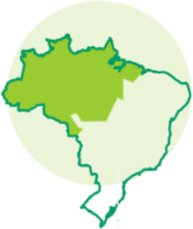
1%
of Brazil’s territory is occupied by sugarcane production and grown on only 3-4% of the country’s arable land.
90%
of sugarcane production expansion between 2000 and 2020 occurred on pastureland with severe and moderate degradation levels.*

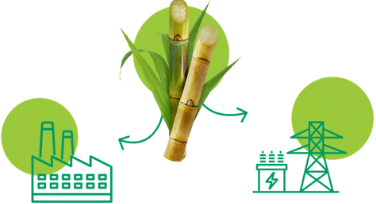
Once harvested, the sugarcane is brought to a mill to be crushed and converted into sugar and ethanol. The leftover cane is then used to fuel power plants that generate electricity with any excess sold to the grid.
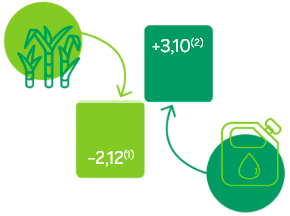
As it grows, sugarcane absorbs CO2 from the atmosphere. When producing plastics using sugarcane-based ethanol instead of fossil fuel feedstocks, approximately 5kg of CO2 per kg of plastics is saved.
Bringing the benefits closer to processors
The partnership with Plastribution combines Braskem’s expertise in renewable polyethylene with Plastribution’s technical knowledge, UK warehousing facilities and established distribution network.
As with our wider polymer portfolio, Plastribution will offer customers more than just a supply of raw material. Its team will be on hand to help with grade selection, technical enquiries and supporting documentation, including the information customers need to assess material performance and environmental claims.
UK stockholding, just-in-time delivery options and tailored supply chain management solutions will also help processors manage material requirements without needing to hold large volumes of stock themselves. For businesses looking to introduce renewable materials, this combination of product expertise and dependable local supply should make the transition considerably easier.
The addition of I’m green™ also represents another step forward for Plastribution’s Sustainable Materials Portfolio.
First introduced in 2019, the portfolio is organised around the company’s award-winning 7 Branches of Sustainability, helping customers identify materials according to their particular environmental objectives. Braskem’s bio-based polyethylene fits naturally within several of these branches, notably Bio-Sourced Materials, Renewability and Reducing Carbon Footprint.
Ethanol production in Brazil

of ethanol production in Brazil is used for fuel.
other industrial uses.
production of bio-based plastics.
Braskem’s I’m green™ bio-based plastics are used across a vast range of applications from packaging to housewares, appliances, toys and much more. They are chemically the same as their fossil fuel counterparts!


Ian Chisnall
Product Manager – Sustainability at
Plastribution

“We’ve had Braskem I’m green™ polyethylene on our radar for quite some time, so it’s fantastic to finally have it as part of our portfolio.”
“What makes this material so exciting is that, at its heart, it’s just polyethylene. It can be processed using existing equipment and recycled through established polyethylene recycling streams. For many customers, it’s effectively a drop-in replacement, meaning they can make a meaningful carbon saving without having to change much at all.
“We often speak to customers who want to make their products more sustainable but understandably don’t want to compromise on quality or invest in major changes to their production processes. This is a great example of a material that helps overcome those challenges.”